
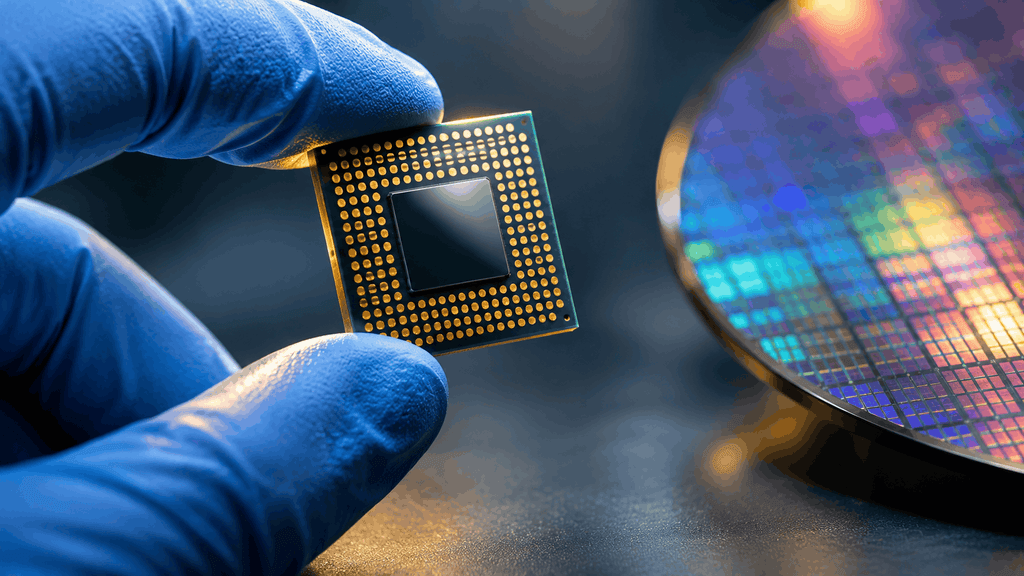
The global memory chip shortage is putting pressure on semiconductor manufacturers and electronics companies. Demand for High Bandwidth Memory (HBM) and server DRAM is rising as technology companies expand their AI infrastructure. SK hynix has signed long-term agreements with 14 major customers, securing more than 50% of its total production capacity for 2027 and 2028. Large buyers are arranging future supplies well in advance, making it harder for other manufacturers to secure the components they need.
Samsung, SK hynix and Micron are directing more resources towards advanced memory products, while computer manufacturers, smartphone brands and server makers continue to rely on conventional DRAM and NAND. This competition for manufacturing capacity is increasing procurement costs and putting pressure on electronics production.
AI Servers Need More Memory
AI data centres require large quantities of memory to support advanced processors and handle demanding workloads. HBM works alongside AI accelerators, while server DRAM manages the large volumes of data processed by cloud computing systems.
As technology companies invest in AI infrastructure, memory suppliers are giving greater priority to HBM and server DRAM. This leaves fewer production resources available for conventional memory products used in computers, smartphones and other electronic devices.
Manufacturers without long-term supply agreements may face uncertain delivery schedules, making production planning and procurement cost management more difficult.
Record Earnings for Chipmakers
The financial performance of Samsung, SK hynix and Micron reflects the strong demand for memory products.
SK hynix reported revenue of KRW 104.62 trillion and operating profit of KRW 83.33 trillion in the third quarter of 2026. Its operating margin reached approximately 80%, supported by sales of HBM and high-value server memory.
Samsung Electronics recorded quarterly revenue of KRW 195.3 trillion and operating profit of KRW 107.4 trillion. Its Device Solutions division contributed KRW 147.1 trillion in revenue, while the Memory Business achieved record quarterly revenue and operating profit. Samsung held 39.4% of the global DRAM market by revenue in the second quarter of 2026.
Micron’s fiscal 2026 revenue reached $133.19 billion, compared with $37.38 billion in fiscal 2025. The increase reflects the strength of demand and pricing across the memory industry, particularly in products used for AI and data centre applications.
Rising Costs Reach Device Makers
The shortage is extending beyond semiconductor manufacturers to companies producing computers and smartphones. Memory is an essential component in both categories, so rising procurement costs can affect manufacturing budgets and retail prices.
Worldwide PC shipments fell to 55.4 million units in the third quarter of 2026, down 22.4% from the same period a year earlier. Higher memory and storage costs contributed to the pressure on manufacturers, particularly those competing in lower-priced segments. HP shipments declined 30.9%, while Apple’s fell 7.1%.
Smartphone manufacturers are facing similar cost pressures. Earlier in 2026, forecasts projected an 8.4% decline in global smartphone shipments for the year, alongside a possible 13% increase in average smartphone prices compared with 2025.
Manufacturers may respond by changing memory configurations, reducing discounts or adjusting product prices to protect their margins. For consumers, more expensive devices could mean delaying an upgrade or choosing a model with less storage.
Diverging Trends in Memory Pricing
DRAM and NAND are both essential to modern electronics, but their supply conditions are developing differently.
DRAM remains undersupplied as demand for HBM and server memory absorbs a significant share of manufacturing capacity. Suppliers are increasing output and adopting more advanced production processes, which could gradually narrow the gap between supply and demand. Price increases are expected to slow over the coming quarters, although availability remains tight.
NAND faces a different outlook. Global NAND bit supply is projected to grow by 25% to 30% in 2027, while contract prices could decline by 0% to 5% in the first quarter. Additional supply may put further pressure on prices as the year progresses.
Demand also varies across regions and product categories. North American cloud providers continue to require high-performance enterprise SSDs, while Chinese cloud providers have reduced some planned enterprise SSD purchases for 2027. This creates an uneven market in which certain storage products retain strong demand even as overall NAND supply increases.
Building More Memory Supply
Memory manufacturers are investing in additional production facilities, but new factories cannot immediately increase the supply of finished chips. Construction, equipment installation and production preparation must be completed before facilities can contribute meaningful output.
SK hynix has announced an investment of approximately KRW 54 trillion in two facilities, the Y2 fab in Yongin and the M17 fab in Cheongju. The first cleanroom at M17 is scheduled to open in December 2028, followed by Y2 in June 2029. The facilities will support additional memory manufacturing, including DRAM, HBM-related production and NAND capacity.
The outlook for memory manufacturers is therefore becoming increasingly divided. DRAM demand remains strong because of AI infrastructure spending, while NAND could see greater availability during 2027. For electronics companies, securing reliable memory supplies at manageable prices will remain a major consideration in production and product planning.
Frequently Asked Questions
1. What is causing the global memory chip shortage in 2026?
Growing demand for HBM and server DRAM from AI data centres is putting pressure on available manufacturing capacity. Suppliers are prioritising advanced memory products, tightening supplies for some conventional memory customers.
2. How is the memory shortage affecting PC prices?
Higher DRAM and storage costs are increasing manufacturing expenses. PC makers may pass these costs to customers through higher prices or adjust the specifications of lower-priced models.
3. Why are DRAM and NAND prices following different trends?
DRAM remains undersupplied because of demand from AI servers and HBM applications. NAND supply is expected to grow faster in 2027, potentially leading to lower contract prices.
4. Which companies lead the global memory chip market?
Samsung Electronics, SK hynix and Micron are the major global memory manufacturers. They supply DRAM and NAND products used in servers, computers, smartphones and other electronic devices.
5. When could the memory chip shortage ease?
There is no confirmed end date. DRAM supply is expected to remain tight, while NAND could become more widely available during 2027. New manufacturing facilities will take several years to become operational.