
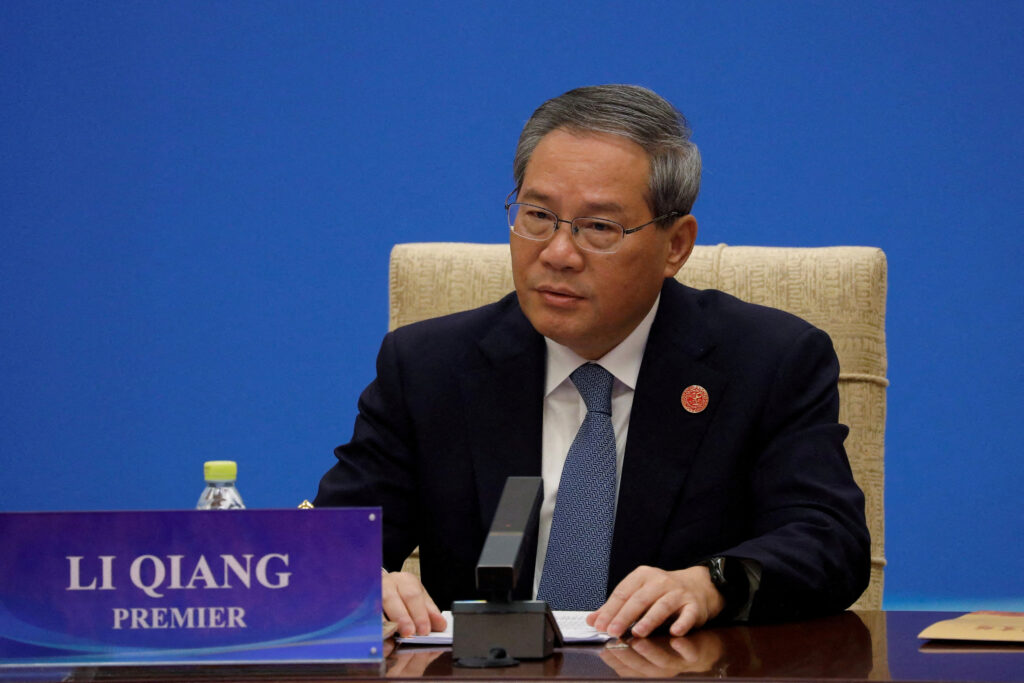
China has stepped forward with a clear message at a time when global markets are dealing with uncertainty from multiple directions. At the China Development Forum in Beijing, held on March 22-23, 2026, senior leadership outlined plans to expand access for foreign companies and strengthen economic engagement with the rest of the world.
This move comes when businesses across industries are already rethinking supply chains, investment exposure, and long-term growth strategies. The timing is not accidental. It reflects both external pressure and internal economic priorities.
Why Foreign Direct Investment Is Slowing in China
Foreign direct investment into China has been slowing. In January 2026, inflows dropped by around 5.7 percent compared to the same period last year, continuing a decline seen through 2025. This matters because China has historically relied on global capital, technology, and partnerships to sustain industrial growth.
Many global companies have already started spreading their operations across multiple markets. Apple has increased production capacity outside China. European manufacturers are expanding footprints in Southeast Asia. This shift is not about leaving China completely, but about reducing dependence on a single geography.
China’s response is to make staying more attractive than leaving. By offering equal treatment to foreign firms and opening more sectors for investment, it is trying to slow down this gradual shift.
Why the US and EU Are Raising Concerns
China’s record trade surplus of about $1.2 trillion in 2025 has added another layer of tension. Strong exports helped maintain economic growth close to 5 percent, but they also triggered concerns among major economies.
The United States and European Union have raised repeated questions about overcapacity and pricing advantages. Tariffs, restrictions, and political pressure have followed. In this environment, China is now signaling a willingness to increase imports and promote more balanced trade.
This is not just about diplomacy. It is about maintaining access to global markets that still drive a large part of China’s economic engine.
Why China Is Maintaining Regulatory Control
The current approach is focused and controlled. China has expanded incentives across more than 200 sectors, especially in advanced manufacturing, high technology, and green energy. At the same time, it continues to manage capital flows and regulatory frameworks tightly.
This model allows participation without giving up control. It also explains why global investors remain interested despite ongoing concerns. Nearly 100 senior executives from multinational companies attended the recent forum, including leaders from major technology, automotive, and financial firms.
For businesses, this creates a practical equation. China still offers scale, infrastructure, and production efficiency that is difficult to replicate elsewhere. But access comes with conditions that require careful navigation.
China’s Position in a Volatile Global Economy
The broader global environment is adding urgency to these decisions. Energy markets have been affected by geopolitical tensions, pushing oil prices higher and increasing costs across industries. Manufacturing, logistics, and transportation are all feeling the impact.
At the same time, economic growth in several regions remains uneven. Inflation pressure continues in some markets, while demand is slowing in others. In such conditions, companies are not just looking for growth opportunities. They are looking for stability.
China is positioning itself in that space. With strong industrial output and a deeply integrated supply chain network, it is presenting itself as a place where production can continue even when global conditions become unpredictable.
Employment Challenges in a Changing Economy
Despite the outward confidence, domestic challenges are still present. China has set a growth target of around 4.5 to 5 percent for 2026, slightly lower than previous years. The property sector continues to affect financial stability, and consumer demand has not fully recovered.
Unemployment levels have also shown some pressure, particularly among younger workers. These factors are pushing policymakers to rely not only on exports but also on improving domestic consumption over time.
Opening the economy to foreign investment is part of that balancing act. It brings capital, creates jobs, and supports sectors that need fresh momentum.
Conclusion
China’s latest move is less about announcing change and more about shaping perception. In a global environment where uncertainty is becoming part of everyday business decisions, the country is trying to position itself as a stable and necessary partner.
At the same time, companies are adjusting their strategies. Few are choosing to exit completely. Instead, they are building more flexible systems that allow them to operate across multiple markets while still maintaining a presence in China.
The outcome will depend on how consistently these policies are implemented and how global tensions evolve. What is already clear is that the balance between opportunity and risk is becoming more complex, and decisions taken now will shape global business patterns in the years ahead.