

After the wave of new EU sustainability regulations in 2025 and tightening export controls between the US and China, supply chains are no longer just about moving goods efficiently. For many companies, they have quietly become compliance battlegrounds. Procurement decisions are now shaped by ESG disclosures, carbon reporting obligations, sanctions screening, and constantly evolving trade laws.
A few years ago, leadership teams focused primarily on cost optimization and supplier reliability. Today, they must also navigate environmental reporting mandates, geopolitical exposure, and procurement regulations that directly affect profitability and market access. This shift is not temporary. International trade compliance and ESG driven logistics frameworks are increasingly intertwined, forcing companies to rethink strategy at the executive level.
ESG Compliance and Scope 3 Emissions Are Reshaping Procurement

Sustainability is no longer treated as a separate initiative. It is now embedded into supply chain compliance systems. Regulatory frameworks such as the EU Corporate Sustainability Reporting Directive have expanded corporate accountability, especially around Scope 3 emissions, which include indirect emissions across supplier networks.
This shift becomes clearer when looking at real companies. Apple has committed to achieving carbon neutrality across its supply chain and product lifecycle by 2030. To achieve that goal, it is requiring hundreds of suppliers to transition to renewable energy and disclose emissions data. Unilever has implemented similar supplier sustainability standards tied to carbon intensity and responsible sourcing practices.
As a result, procurement teams increasingly require:
• Detailed mapping beyond Tier 1 suppliers
• Verified carbon footprint disclosures
• Human rights and labor risk screening
• ESG aligned contractual obligations
For business leaders, the lesson is practical. ESG compliance is no longer about brand messaging. It is about operational credibility and risk reduction.
Trade Tensions and Export Controls Are Forcing Diversification
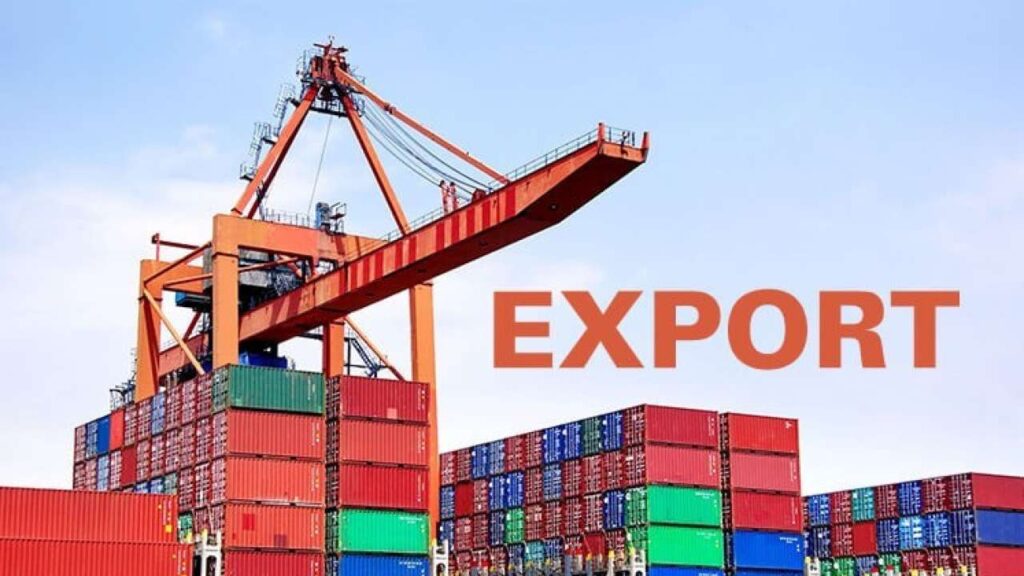
Geopolitical developments have introduced new pressure into global supply chains. Ongoing US China trade tensions, semiconductor export restrictions, and sanctions regimes have reshaped sourcing decisions across technology and manufacturing sectors.
Companies are responding by redesigning networks rather than reacting case by case. Many are shifting toward diversified sourcing strategies such as China plus one models, nearshoring closer to key consumer markets, and sourcing from geopolitically aligned regions. Several technology manufacturers have expanded operations in Vietnam and India to reduce concentration risk while maintaining production scale.
This evolution reflects a broader shift. Businesses are no longer optimizing purely for cost. They are optimizing for geopolitical stability and regulatory predictability.
Carbon Border Mechanisms Are Changing Cost Structures
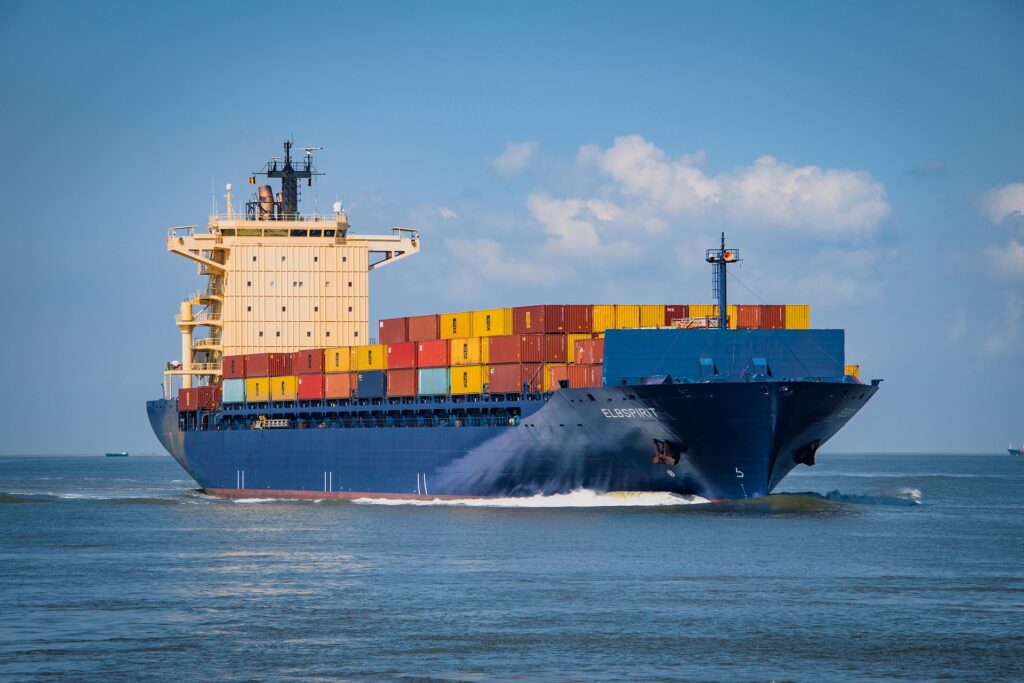
Climate related trade policies are adding another layer of complexity. The European Union Carbon Border Adjustment framework introduces carbon linked costs on certain imports, effectively embedding emissions accountability into international trade.
For exporters of energy intensive goods such as steel and aluminum, carbon intensity now directly affects competitiveness. Companies are therefore reassessing supplier energy sources, transportation methods, and manufacturing processes to manage carbon exposure.
Organizations that proactively track emissions and invest in cleaner production models gain long term pricing stability. Those that delay risk facing rising compliance costs and market barriers.
Technology Is Becoming the Backbone of Supply Chain Compliance

As international trade laws and ESG requirements expand, digital infrastructure has become essential. Advanced analytics, AI based risk detection, IoT enabled tracking systems, and blockchain traceability tools are increasingly used to manage regulatory complexity.
These systems help companies monitor supplier behavior in real time, detect irregular documentation, simulate tariff changes, and maintain audit ready compliance records. Research from leading consulting firms consistently shows that digital supply chain visibility strengthens resilience during disruptions.
However, adoption levels remain uneven. Many organizations still depend on manual processes for tariff classification and trade documentation, leaving them exposed to avoidable compliance risks. Companies that integrate digital compliance tools into core operations are better prepared for regulatory shifts.
Resilience Planning Is Replacing Pure Efficiency Models

A noticeable shift across industries is the move from hyper efficiency to resilience driven design. Companies are building multi region supplier networks, strengthening audit systems, and maintaining strategic inventory buffers for critical components.
This approach also requires stronger cross functional collaboration. Supply chain leaders now work closely with legal, finance, and sustainability teams to ensure that procurement decisions align with regulatory expectations and long term strategy.
Resilience planning today includes:
• Diversified sourcing across multiple regions
• Stronger ESG audits and supplier monitoring
• Strategic stockpiling of high risk inputs
• Continuous geopolitical risk assessment
These measures reflect a long term mindset rather than short term cost savings.
What Business Leaders Should Focus On Now

The regulatory environment may feel complex, but executive priorities can remain focused and structured. Leaders should concentrate on strengthening regulatory awareness, embedding ESG into procurement, and investing in digital visibility tools.
Key focus areas include:
• Establishing a structured regulatory monitoring process within executive reporting cycles
• Integrating ESG metrics directly into supplier evaluation and procurement frameworks
• Investing in AI driven risk analysis and real time traceability systems
• Conducting scenario based stress tests for sanctions, tariff changes, and carbon pricing shifts
When approached strategically, compliance becomes less of a burden and more of a control mechanism that supports long term growth.
Conclusion

Supply chain regulation is no longer a compliance layer added after strategy is defined. It now shapes strategy itself. ESG reporting requirements, carbon exposure, trade controls, and procurement scrutiny directly influence how companies select suppliers, structure contracts, and allocate capital. Businesses that underestimate this shift expose themselves to unnecessary financial and operational risk.
Strong organizations are responding by redesigning their networks with clarity. They are embedding compliance into procurement systems, strengthening supplier transparency, and using technology to monitor risk in real time. Instead of viewing regulation as friction, they are treating it as a design parameter that informs smarter, more resilient decision making. Over time, the companies that manage regulatory complexity with discipline will operate with fewer disruptions and greater credibility across markets. In a landscape where policy can move faster than supply routes, structured adaptability has become a defining trait of sustainable growth.