

Digital transformation sounds inspiring when leaders talk about it. There is optimism in the
idea of smarter workflows, better customer experiences and workplaces where technology
finally supports people instead of slowing them down. On slides and strategy papers, the
process feels logical and neatly planned.
But inside most companies, the experience feels very different. Instead of a clear beginning
and end, the change unfolds in waves. Just when a system starts making sense, something
new arrives. Teams adjust, then readjust, and the finish line continues to move forward. For
many people, transformation feels less like a project and more like an ongoing
responsibility that sits quietly in the background of everyday work.
Technology moves faster than people can absorb it

One of the biggest reasons digital transformation feels endless is the speed of innovation.
New tools appear constantly. Features evolve faster than employees can learn them. A
platform that felt advanced last year may already have a newer alternative waiting to
replace it.
This creates a mix of excitement and exhaustion. You can see it in small office moments.
Someone opens a tool and whispers I did not know this changed. A team finishes training
only to hear another update is coming. Leaders join meetings about the next solution even
though the current one still feels new.
Over time companies start understanding that transformation is not a sprint. It is a rhythm.
A long-term relationship with change rather than a task to complete.
Old systems and new systems don’t always fit together

Most organizations carry years of past technology with them. These older tools store
important data and support processes that teams rely on daily. Replacing them all at once
rarely feels safe or realistic, so companies attempt to connect new platforms to old
foundations.
In theory it sounds practical. In reality it often creates tension. Employees switch between
multiple apps and portals. Information does not sync as smoothly as expected. Work
sometimes takes longer because systems are not fully aligned.This frustration does not mean transformation is failing. It means the company is in the
middle of it. Integration takes time. And during that time things can feel messier before they
feel better.
People adapt slower than the tools they receive

Technology may update overnight. People do not. Employees already manage deadlines,
meetings and responsibilities. Learning a new system requires focus, patience and mental
space. When transformation is layered on top of a full workday, even motivated people can
feel overwhelmed.
The exhaustion many employees feel is not resistance. It is human. It is the weight of
continuous adjustment. Some people worry they should already understand everything.
Others hesitate to ask for help because they do not want to appear behind.
Companies that succeed approach change gently. They give people room to learn. They
explain why the change matters. They remind teams that progress is allowed to be gradual.
When employees feel supported instead of judged, digital adoption becomes a smoother
experience.
Success becomes a continuous practice instead of a final goal
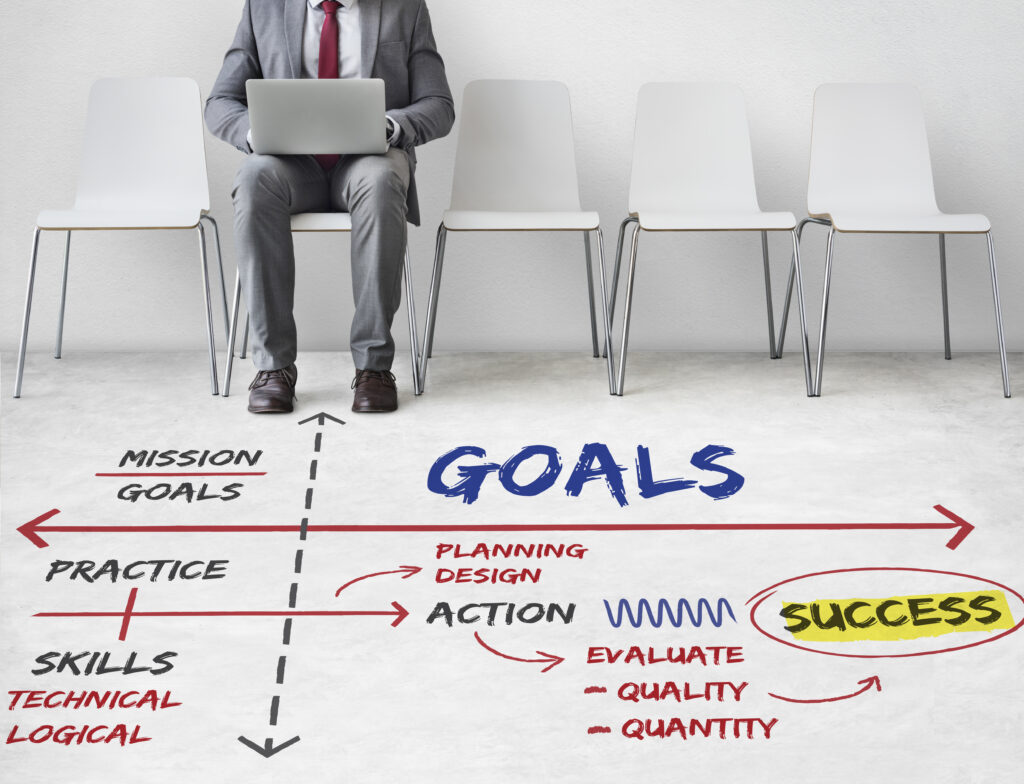
Eventually companies realize there is no moment where someone says transformation is
complete. Markets change. Customer behavior shifts. Technology grows. New ideas
appear. And so the process continues.
This realization can feel intimidating at first, but then something important happens. Teams
stop chasing the idea of being fully transformed and start appreciating progress in smaller
steps. A process improves. A system becomes easier. A workflow becomes faster. These
small wins accumulate.
That is when the culture shifts. People begin asking how technology can help rather than
whether it is necessary. Transformation stops being something the company is forcing and
becomes something the company is living.
Conclusion

Digital transformation feels endless not because companies are failing but because the
world they operate in keeps evolving. The real work is finding balance between moving
forward and protecting the well-being of the people who make it possible. When
organizations give space for learning, communicate honestly and approach change with
patience instead of pressure, transformation becomes more meaningful and far less
exhausting. It becomes a shared journey where technology supports people, and people
guide the direction technology takes.