
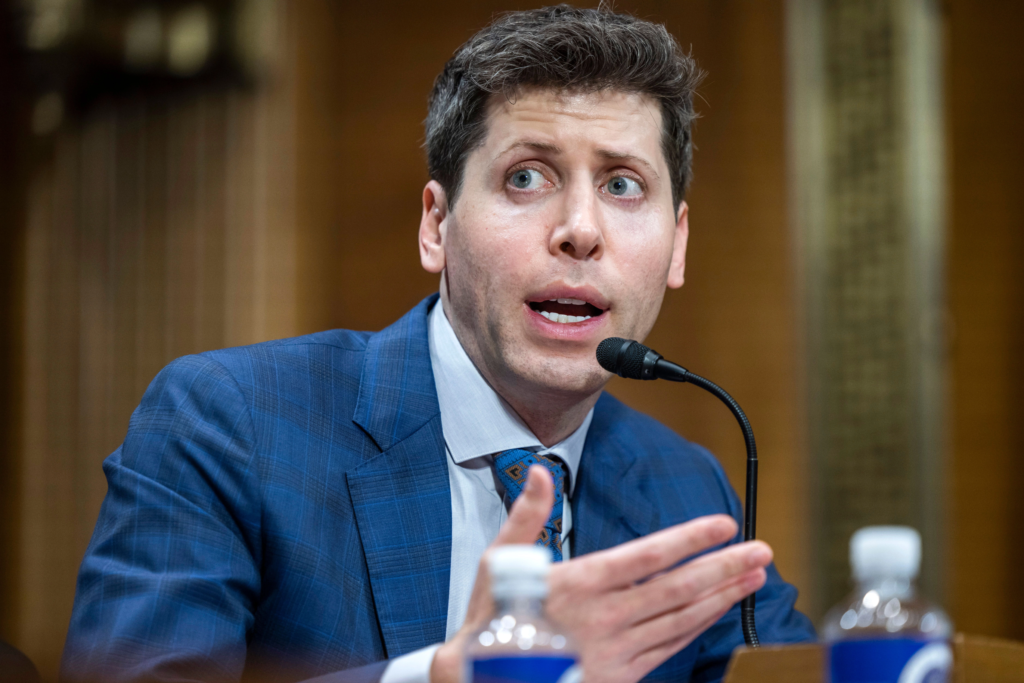
The internet is entering an era where “verified human” could become as important as “verified account.” Sam Altman’s digital identity project, World, is now bringing its biometric identity system to Zoom, Tinder, and DocuSign as businesses race to stop fake profiles, bot scams, deepfakes, and AI driven impersonation.
As artificial intelligence becomes more powerful, it is also becoming easier to fake identity online. A cloned voice can now sound real, a deepfake video call can look convincing, and a fake profile can behave like a real person. Companies are beginning to realise that passwords, email confirmations, and two factor authentication may no longer be enough.
AI Fraud and Human Verification
World launched its new World ID 4.0 platform during its Lift Off event in San Francisco on April 17. The company says nearly 18 million people across more than 160 countries have already completed its identity verification process. It also claims to have processed more than 450 million identity checks since launch.
The expansion comes as AI related fraud becomes a much bigger risk for businesses. Industry estimates suggest that fraud losses linked to generative AI could rise from around $12 billion in 2023 to nearly $40 billion by 2027. Businesses are also seeing a rise in AI driven cyberattacks, fake customer accounts, impersonation scams, and deepfake fraud.
Some of the biggest concerns for companies now include:
- Fake customer accounts
- Deepfake video calls
- Romance scam bots
- AI generated impersonation
- Fraudulent contract approvals
- Fake job applicants and employee identities
This has increased demand for systems that can confirm whether someone is actually human before they enter a meeting, sign a document, or create an online profile.
Zoom Against Deepfakes
Zoom’s partnership with World could become one of the most important parts of the rollout. The company is introducing a feature called Deep Face, which is designed to verify that the person appearing in a video call is the same person who originally completed World’s identity process.
The system compares three different pieces of information:
- The original iris scan from the Orb device
- A live selfie from the user’s phone
- The person’s live video feed during the meeting
If all three match, the user receives a Verified Human badge. Zoom hosts can also make verification mandatory before allowing someone into a meeting.
This feature is especially important for industries such as finance, healthcare, legal services, and executive leadership, where a fake video call could lead to major financial losses or stolen information. One of the most widely discussed cases involved an employee at a multinational company who transferred more than $25 million after being tricked by an AI generated video call that appeared to include senior executives.
Tinder and DocuSign
Tinder is expanding its World ID integration globally after first testing the system in Japan. Users who complete World verification can add a Verified Human badge to their dating profile. The company hopes this will reduce fake profiles, romance scams, bot accounts, and AI generated catfishing.
In some markets, Tinder is also offering:
- Free profile boosts
- Better profile visibility
- Stronger trust signals for matches
DocuSign is taking a similar approach for business transactions. The company wants to connect a verified human identity to digital signatures and approvals so businesses can be more confident that contracts and agreements are not being signed by fake users or AI systems.
Biometric Privacy Risks
Despite the new partnerships, World still faces serious questions around privacy. The company says it does not permanently store raw iris scans or facial images. Instead, it converts the information into encrypted proof that stays on the user’s device.
Even so, critics argue that large scale biometric data collection could create risks around:
- Surveillance
- Consent issues
- Misuse of personal information
- Biometric data leaks
- Government regulation
- User trust
World now faces two challenges at once: convincing companies that biometric verification is necessary, while also convincing users that their data will remain safe.
As AI makes it easier to fake almost anything online, proving you are human could become one of the most valuable forms of trust on the internet.